
What Is a Continuous Glucose Monitor and How Does It Work?
A clear introduction to CGM sensors, glucose trends, alerts, and the questions to ask before choosing a device.
September 14, 20262 min readBy Medville Diabetes
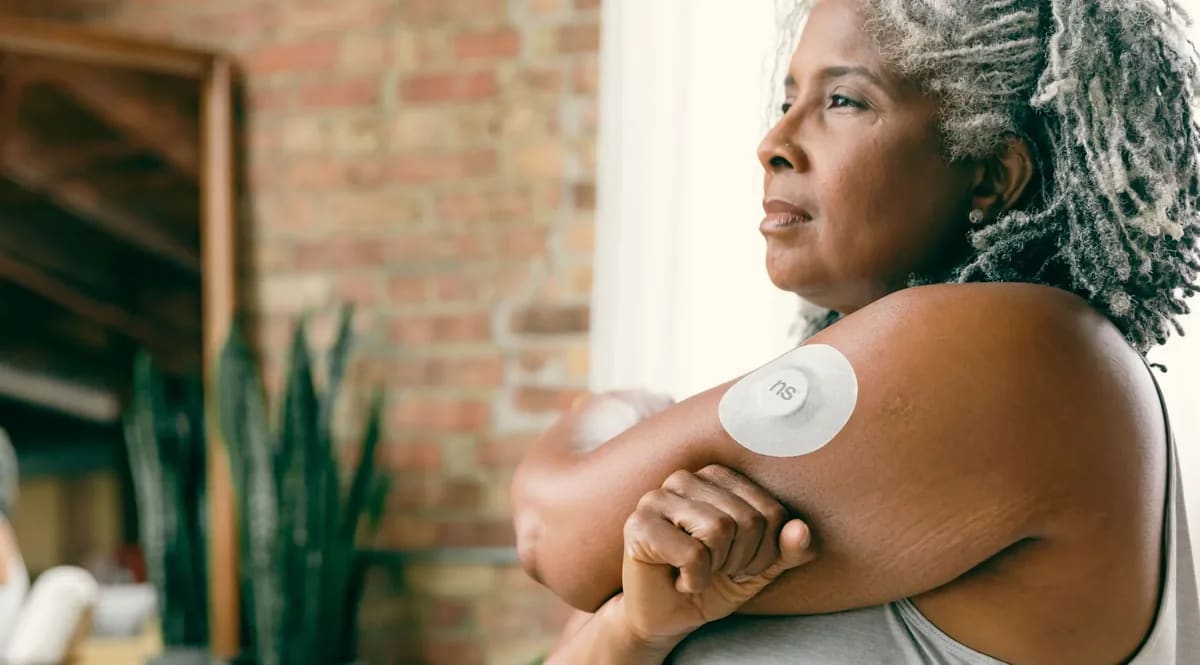
A continuous glucose monitor, or CGM, is a wearable device that estimates glucose levels throughout the day and night. Instead of showing only one result when you test, it shows how your glucose changes over time. That can make daily patterns easier to discuss with your healthcare team.
What Does a CGM Measure?
A small sensor sits just under the skin, usually on the arm or abdomen depending on the device. It measures glucose in the fluid between cells. A transmitter sends readings to a compatible phone, reader, or other display. Since this is not a direct blood measurement, the reading may differ from a finger-stick result, especially when glucose is changing quickly.

Most systems update readings every few minutes. Some display a current estimate, a graph, and an arrow showing the direction of change. Features, wear time, phone compatibility, and alert options vary by model. Follow the instructions for the device you use.
What Can the Graph and Alerts Tell You?
A single reading is one point in time. A CGM graph adds context: you may notice a repeated rise after a meal, a drop during activity, or a change overnight. Some models can alert you when glucose is low, high, or moving quickly. Your care team can help set personal targets and explain when to act on an alert.

- Current reading: the device's estimate at that moment.
- Trend arrow: the direction and pace of change.
- Daily graph: how readings changed over several hours.
- Time in range: the share of time readings stayed within a target range chosen with your care team.
Do You Still Need a Blood Glucose Meter?
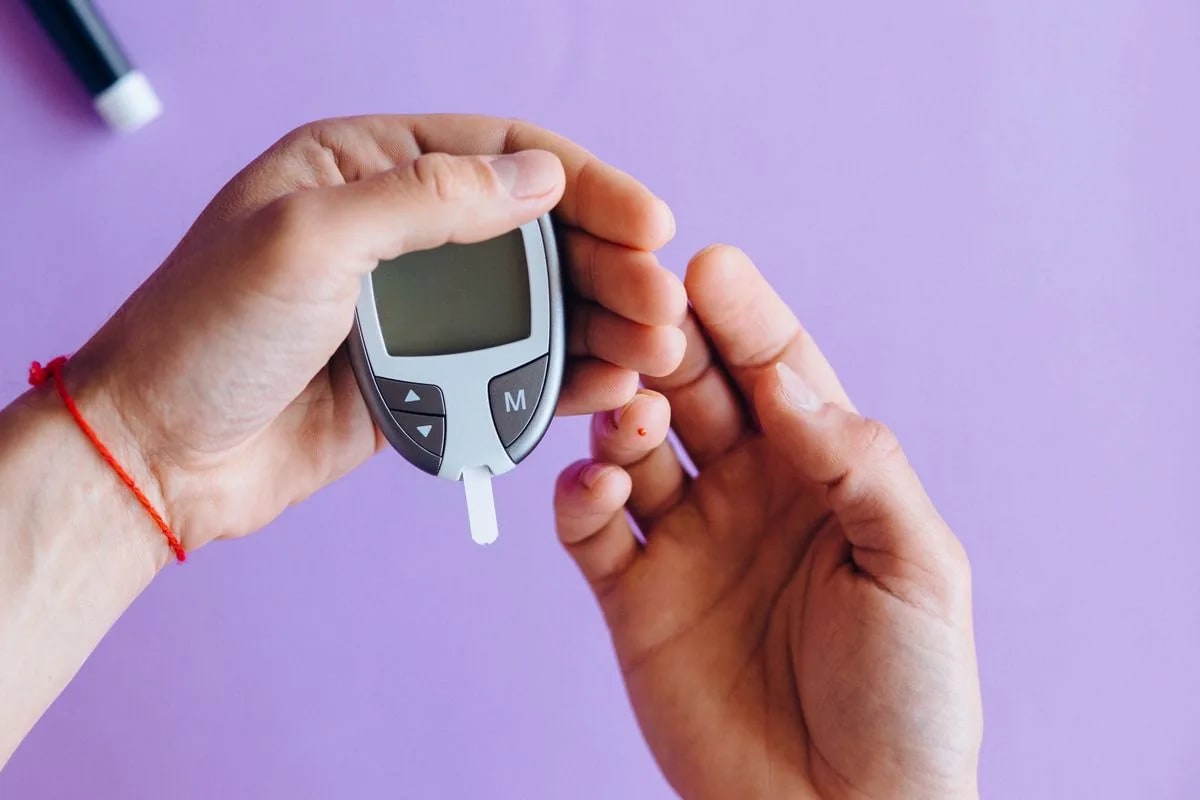
Sometimes, yes. A standard meter may be needed if a CGM reading does not match how you feel, a sensor is not working, or the device instructions ask you to confirm a result. Keep the supplies your care team recommends. Our guide to CGM and finger-stick checks explains the difference.
Questions to Ask Before Choosing a CGM
- Is a CGM appropriate for my treatment plan?
- Which device features and phone or reader options fit my routine?
- What should I do if an alert or reading does not match my symptoms?
- How will we review trends together, and what are my personal targets?
- What prescription and coverage steps apply to me?
Explore the CGM products shown by Medville Diabetes and learn how our supply process works. If you have coverage questions, start with our CGM coverage guide.
Sources and Further Reading
- Continuous glucose monitoring — National Institute of Diabetes and Digestive and Kidney Diseases
- Continuous glucose monitors — Centers for Disease Control and Prevention
Have questions about CGMs or diabetes supplies?
Contact our team to discuss your options and potential eligibility. The conversation is free and carries no obligation.
Contact Our TeamMore to read

CGM vs. Fingerstick Blood Sugar Checks: What Is the Difference?
Learn what each method measures, why readings can differ, and when a standard meter remains useful.

How to Understand CGM Glucose Trends in Daily Life
Use the graph, trend arrows, and time in range to prepare better questions for your healthcare team.

What to Ask About CGM Coverage and Diabetes Supplies
A practical checklist for discussing a CGM prescription, insurance benefits, supplier status, and out-of-pocket costs.