
Did Eating Too Much Sugar Cause My Diabetes?
Eating sweets alone does not cause diabetes. Learn how type 2 diabetes develops, where sugar fits, and why glucose patterns matter more than blame.
September 14, 20265 min readBy Medville Diabetes

A diabetes diagnosis can make you replay every dessert, soda, or late-night snack you have ever had. You may wonder whether you did this to yourself.
So, did you get diabetes because you ate too many sweets?
The short answer is no. Eating sweets does not automatically cause diabetes, and diabetes is rarely the result of one food or one habit. Type 2 diabetes develops over time through a combination of insulin resistance, genetics, age, activity level, weight, health history, and other factors.
That does not mean food has no effect on blood glucose or long-term health. It means the full picture is more complicated, and more useful, than blame.
Here are five things to understand.
Different Types of Diabetes Have Different Causes
The word diabetes describes several conditions that can cause blood glucose, also called blood sugar, to become too high. They do not all develop in the same way.
Type 1 diabetes is an autoimmune condition. It develops when the immune system destroys the cells in the pancreas that make insulin. It is not caused by eating sugar.
Gestational diabetes develops during pregnancy when the body cannot make enough insulin to meet its changing needs. Other, less common forms of diabetes may be connected to genetic changes, pancreatic damage, certain medical conditions, or some medications.
Type 2 diabetes, the most common form, develops when the body has trouble using insulin effectively and the pancreas cannot make enough insulin to keep blood glucose in range. Because the original question is usually about Type 2 diabetes, that is the focus of the rest of this article.
Sweets Alone Do Not Cause Type 2 Diabetes
When you eat carbohydrates, your body breaks them down into glucose. Insulin helps move that glucose from the bloodstream into your cells, where it can be used for energy.
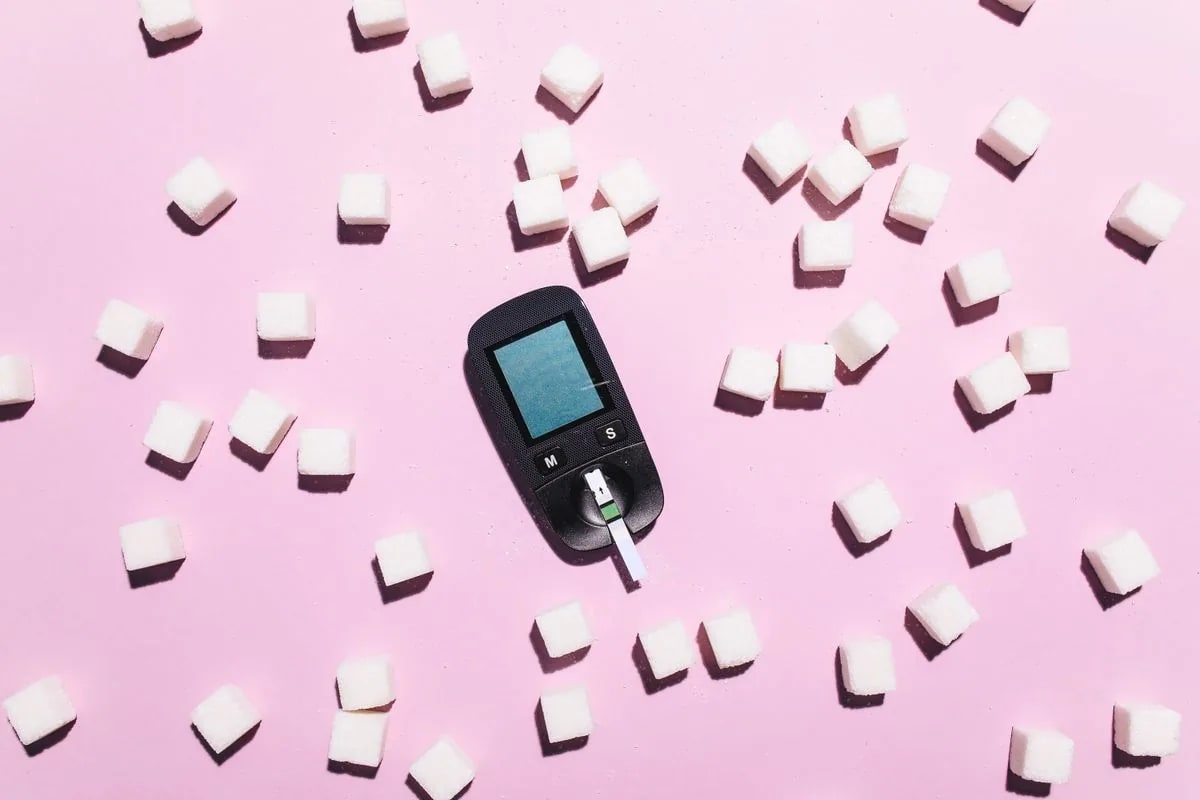
Sweets often contain carbohydrates that can raise blood glucose, sometimes quickly. But a temporary rise after eating is not the same as developing diabetes.
Type 2 diabetes usually develops gradually. The body's cells become less responsive to insulin, a condition called insulin resistance. The pancreas may initially make more insulin to compensate. Over time, it may no longer make enough to keep blood glucose within a healthy range.
That process cannot usually be traced back to a single dessert, a holiday season, or one period when you ate more sugar than usual.
Sugar Is One Part of the Risk Picture
Saying that sugar is not the single cause of diabetes does not mean it never matters.
Foods and drinks high in added sugar can add a large amount of calories without being very filling. Regularly taking in more energy than your body uses can contribute to weight gain, and excess body fat, particularly around the abdomen, can increase the likelihood of insulin resistance and Type 2 diabetes.

Research has also linked frequent consumption of sugar-sweetened drinks, such as regular soda, sweet tea, energy drinks, and some sweetened coffee drinks, with a higher risk of Type 2 diabetes.
Still, risk is not certainty. Not everyone who eats a lot of sugar develops diabetes. Not everyone with Type 2 diabetes eats a high-sugar diet, and people at many different body sizes can develop the condition.
Food is one part of a much larger picture.
Other Factors That Affect Type 2 Diabetes Risk
Type 2 diabetes does not have one universal cause. Several factors can affect a person's likelihood of developing it, including:
- A parent or sibling with Type 2 diabetes
- Increasing age, although children and younger adults can also develop it
- Low levels of physical activity
- Overweight, obesity, or a larger waist size
- Prediabetes
- A history of gestational diabetes
- Polycystic ovary syndrome, or PCOS
- Certain health conditions or medications
- Smoking or exposure to secondhand smoke
Some of these factors can be changed, while others cannot. Two people can eat similar foods and have very different risks because their bodies, genes, medical histories, environments, and daily lives are different.
This is why treating diabetes as a personal failure is neither accurate nor helpful.
Glucose Patterns Matter More Than Blame
Once you have diabetes, sweets and other carbohydrate-containing foods can affect your glucose. But the response may vary depending on the type and amount of food, what you eat with it, your medication, activity, sleep, stress, illness, and even the time of day.

A single glucose reading gives you one moment in time. Repeated readings can show more context, including what happens after meals, during activity, overnight, and between checks.
A continuous glucose monitor, or CGM, measures glucose throughout the day and night. It can help reveal trends that may be difficult to see from occasional checks alone. Those patterns can give you and your healthcare team more information when discussing your diabetes care.
A CGM is not right for every person, and access may depend on clinical and insurance requirements. If you are wondering whether a CGM may fit your needs, you can contact Medville Diabetes to discuss potential eligibility at no cost. There is no pressure or obligation to move forward.
Focus on Care, Not Blame
It is reasonable to think about how food affects your health. It is not reasonable to reduce a complex medical condition to a lack of willpower or a love of sweets.
You did not get diabetes because of one cookie, one craving, or one imperfect habit. The more useful question now is not, “Who is to blame?” It is, “What can my glucose patterns teach me about what my body needs?”
Medville Diabetes can help you discuss whether a CGM may be available to you, so you can make decisions with more context.
This article is for educational purposes only and is not a substitute for medical advice, diagnosis, or treatment. Talk with your healthcare professional about your individual diabetes care.
For practical next steps, read about carbohydrates and diabetes and understanding CGM glucose trends.
Sources and Further Reading
Have questions about CGMs or diabetes supplies?
Contact our team to discuss your options and potential eligibility. The conversation is free and carries no obligation.
Contact Our TeamMore to read

What Is a Continuous Glucose Monitor and How Does It Work?
A clear introduction to CGM sensors, glucose trends, alerts, and the questions to ask before choosing a device.

CGM vs. Fingerstick Blood Sugar Checks: What Is the Difference?
Learn what each method measures, why readings can differ, and when a standard meter remains useful.

How to Understand CGM Glucose Trends in Daily Life
Use the graph, trend arrows, and time in range to prepare better questions for your healthcare team.